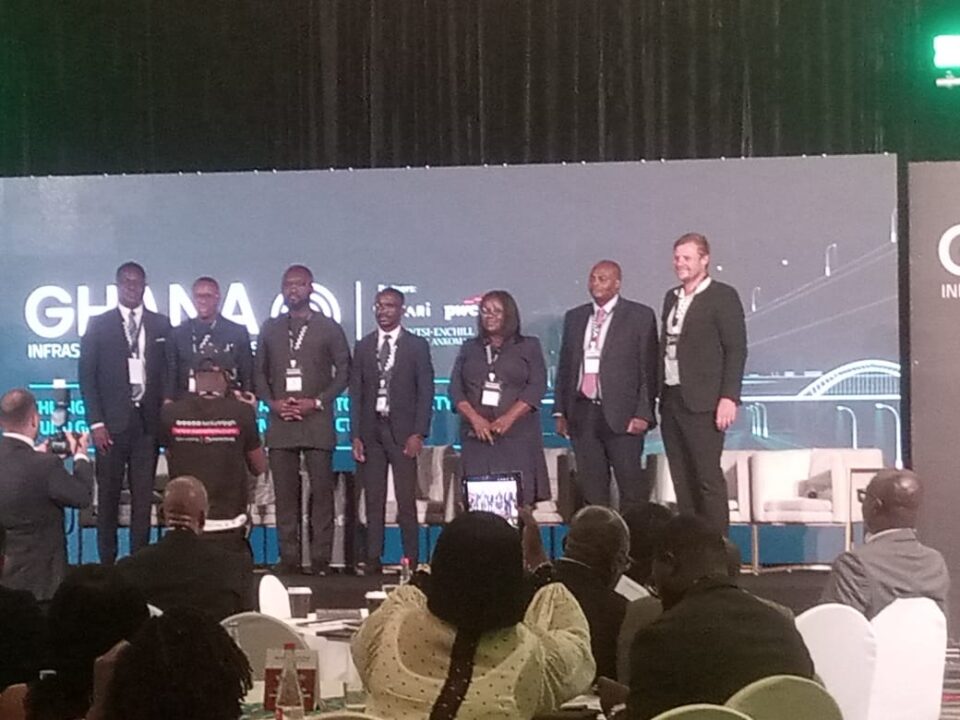
ACCRA, Oct 22, 2026 – Ghana’s infrastructure conversation is shifting from what to build to how to finance, build and maintain it.
That is the focus of the Ghana Infrastructure Summit, convened by engineering firm Zutari under Joshua Ayinbora – Engineering Impact, in collaboration with PwC Ghana and law firm Bentsi-Enchill Letsa & Ankomah (BELA)
The finalized theme is “The Big Push: Moving Beyond Ambition to Bankability to Build Ghana’s Future-Ready Infrastructure”.
According to the concept, Ghana has ambitious infrastructure plans, but limited public finances mean government funding alone cannot close the gap.
“The key challenge is therefore not simply identifying projects but preparing projects that are technically sound, financially viable, legally secure and attractive to investors,” the document states.
The summit is structured around three pillars:
1. From Ambition to Bankability: Why potentially valuable projects fail to reach financial close, how to improve feasibility studies, structure viable PPPs, allocate construction, demand, currency and political risks, and mobilize pension funds, development finance and private equity. Under this, Zutari will lead technical feasibility and design, PwC on financial modelling and capital mobilisation, and BELA on PPP agreements and risk allocation.
2. Building Ghana for 2050: Climate-resilient and future-ready infrastructure. With southern Ghana hit by severe flooding this year, the theme looks at climate-resilient roads, bridges and drainage, sustainable energy, integrated stormwater management and whole-life costing over lowest initial cost. Organisers say the discussion goes beyond demolishing structures on waterways to forward-looking design.
3. Delivering Ghana’s Big Push: Governance, procurement and execution. Ghana is directing substantial resources to roads, energy and digital infrastructure under the Big Push programme, but allocation alone does not guarantee success. The track will address procurement delays, cost overruns, contractual disputes and maintenance
As the summit notes: “Plans are not drawn up for the purpose of completing a procedure as a formality only; plans are drawn up to be implemented.”
