
The Narcotics Control Commission (NACOC) has expressed concern over the increasing involvement of some fishermen in the trafficking of illicit drugs through Ghana’s coastal waters.
According to the commission, criminal networks are taking advantage of fishing activities to transport narcotic substances from the high seas to communities along the coast, offering fishermen financial incentives to participate.
The warning was issued by the Head of Drug Demand Reduction at NACOC’s Central Regional Command, Deputy Superintendent of Narcotics Alice Erzah, during a media engagement aimed at strengthening collaboration between the commission and journalists in the fight against drug abuse and trafficking.
She said investigations by the commission indicate that drug traffickers are increasingly relying on fisherfolk because of their regular access to offshore waters.
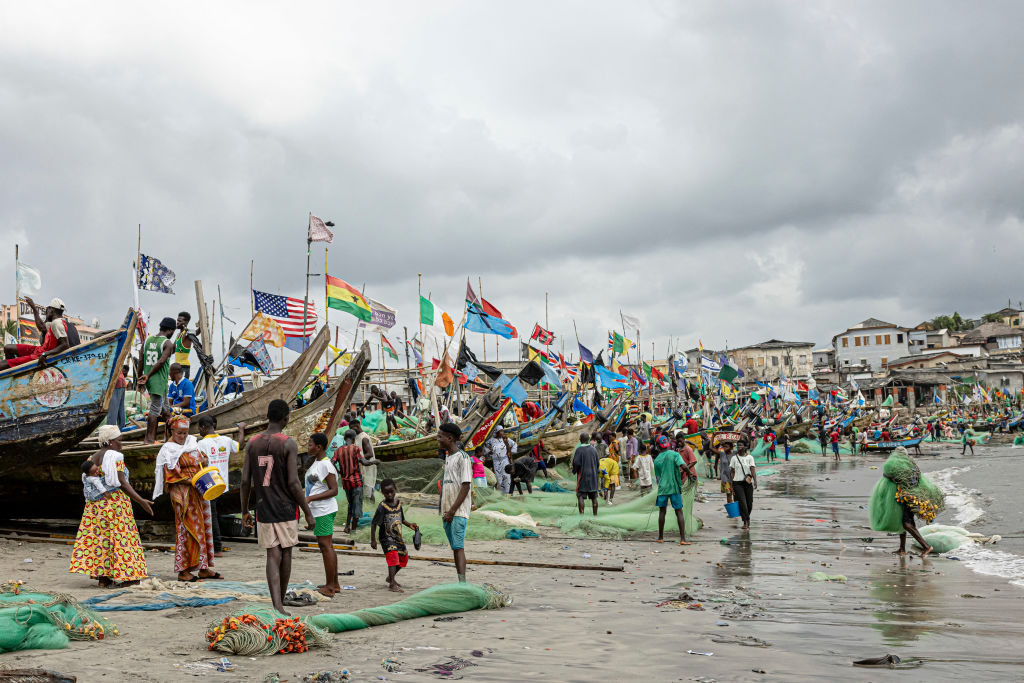
Once the drugs are brought ashore, she explained, they are distributed through local networks operating within coastal communities.
DSN Erzah noted that the promise of quick financial rewards has made some fishermen vulnerable to recruitment by traffickers, whose payments often exceed what they earn from fishing.
She added that the commission has also identified other methods used by traffickers, including courier services, public transport and individuals recruited to move illegal substances across the country.
Beyond law enforcement, she said NACOC continues to invest in public education to reduce drug abuse, particularly among young people. She explained that the commission’s “Catch Them Young” campaign targets pupils and students in basic and second-cycle schools with preventive education.
Central Regional Commander of NACOC, Assistant Commissioner of Narcotics Felix Sarfo-Yeboah, said the country’s drug problem has evolved over the years and now requires stronger cooperation from institutions, communities and the media.
He observed that drug abuse, once viewed as a distant issue, has become a growing challenge affecting schools, homes and communities across the country.
Central Regional President of the Ghana Journalists Association, Kingsley Nana Boadu, encouraged journalists to give greater attention to reporting on drug-related issues, describing the media as an important partner in raising public awareness while calling for the safety of reporters covering such stories.
